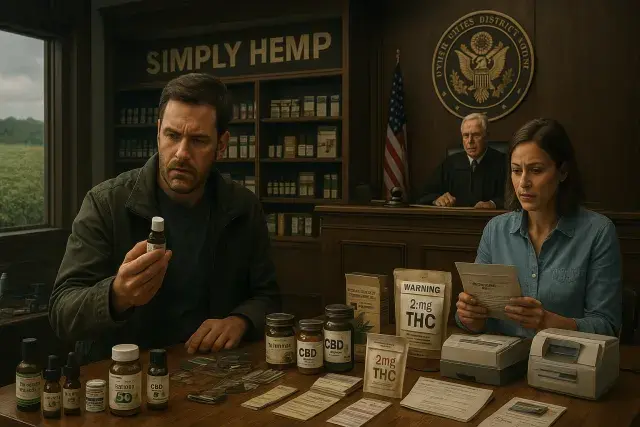
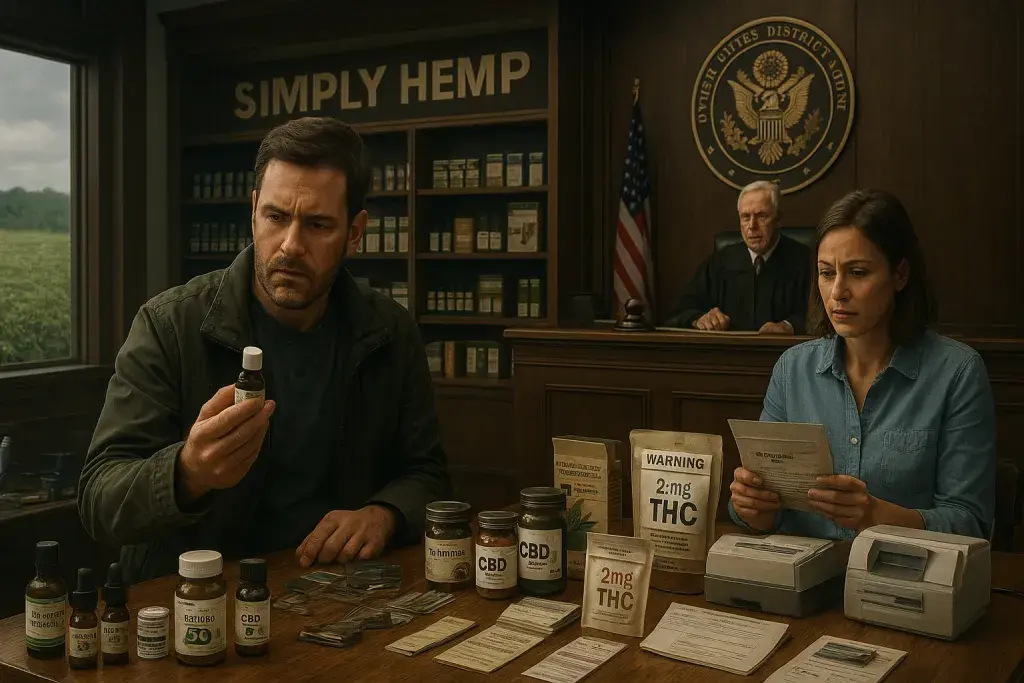
A federal judge spent nearly five hours Wednesday weighing whether to pause Virginia's new hemp restrictions before they take effect Saturday, as store owners testified that the changes could wipe out inventory built under the old rules and force them to shut their doors. Seven hemp businesses sued to block enforcement of House Bill 30, which strips away the state's 25-to-1 CBD-to-THC exception and caps most hemp products at two milligrams of total THC per package. U.S. District Judge Robert S. Ballou did not rule from the bench, though attorney Chap Petersen, who represents the plaintiffs, said he expects a decision by Friday.
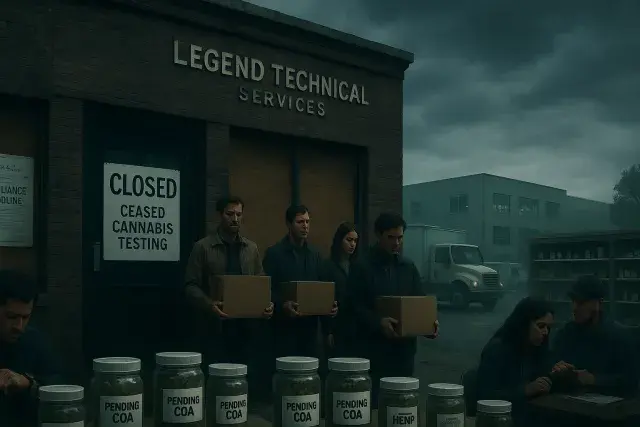
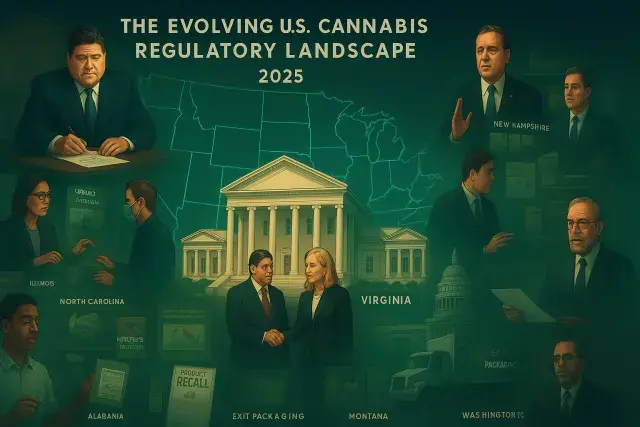
The case lands at a moment when hemp retailers across the country are watching state legislatures tighten definitions that once let intoxicating hemp-derived products move through general retail with minimal oversight. Virginia's shift mirrors a broader pattern: as states stand up regulated adult-use marijuana markets, lawmakers are moving to fold hemp-derived cannabinoids into the same compliance structure, often with little lead time for the businesses already operating under the prior framework. That transition touches everything from lab testing protocols to compliant packaging to the point-of-sale systems retailers rely on to track SKUs and flag noncompliant batches before they reach a shelf - infrastructure that, in adjacent regulated markets, increasingly runs through platforms like the Pennsylvania cannabis POS systems built specifically to manage state-by-state potency limits and product-category rules.
Why the Timeline Matters for Operators
Petersen's central argument isn't that Virginia lacks authority to regulate hemp - it's that the compressed timeline gave businesses no realistic runway to adjust. Governor Glenn Youngkin didn't sign the budget bill until June 29, leaving roughly 45 days before enforcement. For a retailer, that's barely enough time to audit a wholesale menu, let alone liquidate noncompliant stock or renegotiate supplier contracts. For hemp farmers, the math is worse. Crops planted in April with an October harvest can't simply be redirected once state law changes the definition of what's legal to sell. Unlike a skill-game terminal that can be trucked across a state line, a hemp crop grown for the Virginia market has nowhere else to go.
The Compliance Cliff Facing Retailers
What makes this case notable beyond Virginia is the "compliance cliff" problem it illustrates - a product legal at midnight becomes a potential felony-level violation by morning, with no grace period for existing inventory. Cody Moorefield, who owns Simply Hemp in Collinsville, described shelves full of product that could flip from lawful hemp to unlawful cannabis overnight, without any recall mechanism or reimbursement path. That's a compliance-logging nightmare and a straightforward taking, according to the plaintiffs, who argue the law effectively strips value from businesses built in good faith under the previous THC ratio.
What a Ruling Either Way Would Signal
If Ballou grants the injunction, it buys the plaintiffs breathing room to sell down inventory and push the General Assembly toward a legislative fix rather than a courtroom one - an outcome Petersen says he'd prefer given his years navigating that chamber. If he denies it, the two-milligram cap takes effect Saturday as scheduled, and the underlying constitutional claims proceed toward a possible trial next year. Either way, the case is a preview of the regulatory reckoning coming for hemp retailers nationally: as states tighten definitions to protect emerging adult-use markets and address consumer-safety concerns around unregulated intoxicating products, operators who built businesses on gray-area hemp exceptions face a narrowing window to either come into compliance or exit.