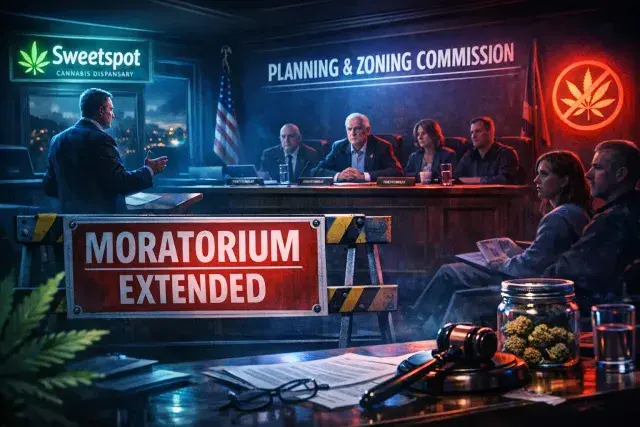
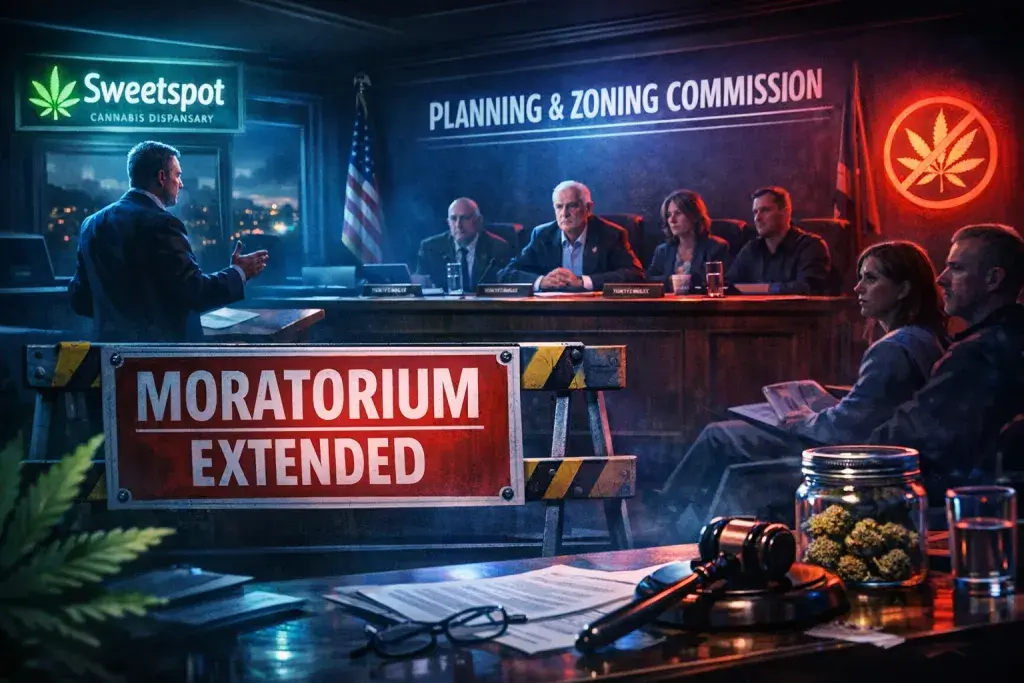
Trumbull's Planning and Zoning Commission voted 4-1 on Wednesday to extend a moratorium blocking cannabis establishments, marking the fourth such renewal since August 2021. The decision persists even as Sweetspot Cannabis Dispensary, with outlets in Fairfield and Hartford counties, expressed firm interest in opening a location. This move underscores ongoing local debates over recreational marijuana's place in suburban communities, two years after state-legalized sales began in January 2023.
Business Push Meets Regulatory Caution
Ben Herbst, Sweetspot's chief business development officer, urged commissioners to lift the moratorium during the hearing. His Stamford-based company operates two retail stores and a cultivation facility in Connecticut, plus sites in Rhode Island, New Jersey, Vermont, and Maryland. Herbst emphasized responsible operations, highlighting products with mild THC levels rather than high-potency options, and projected a 3% municipal tax yielding about $200,000 annually to fund town initiatives like the Veterans and First Responders Center and Trumbull Community Theater.
Commission Chair Fred Garrity acknowledged the pitch but noted prior extensions stemmed from lacking concrete developer interest. He directed Herbst to Town Planner Rob Librandi for feasibility discussions, arguing the moratorium enables controlled development. Resident Nate Gross echoed calls to end it, citing potential tax base growth to ease burdens on homeowners.
Balancing Revenue, Control, and Community Impact
Garrity compared cannabis oversight to past zoning for apartments, which drew a surge of proposals without safeguards. He described marijuana as a "lightning rod issue" requiring deliberate planning, even as some commissioners accept it. Member Richard Deecken, who once called extensions "kicking the can down the road," proposed a committee to assess dispensary effects within a year, forcing a choice: permit, restrict, or ban.
Opposition from town leaders highlights health and cultural concerns. First Selectman Vicki Tesoro warned of uncertain effects on families and businesses, given the industry's novelty and shifting state rules on products and advertising. Melissa McGarry of the Trumbull Prevention Partnership cited increased youth access and lowered harm perceptions as risks from local outlets.
State Legalization Frames Local Choices
Connecticut's SB 1201, signed by Gov. Ned Lamont in June 2021, legalized recreational use, prompting towns like Trumbull to enact moratoriums for study periods. These pauses, now routine, reflect broader suburban tensions: economic gains from taxes and jobs versus fears of normalized use amid evolving public health data. As retailers proliferate statewide, Trumbull's path—prolonging review or inviting proposals—signals how municipalities navigate autonomy under state law.