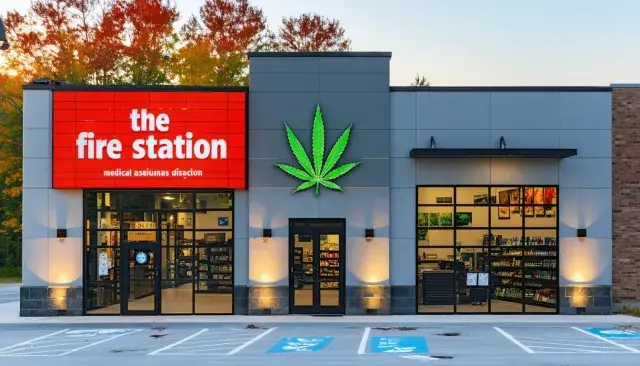
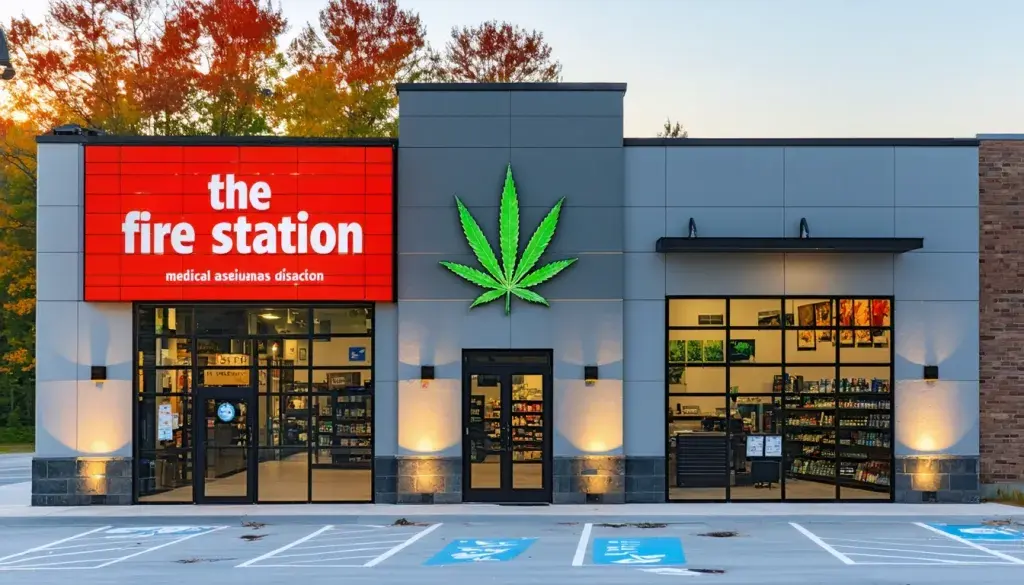
On Tuesday, The Fire Station, the inaugural medical marijuana dispensary in Marquette County, quietly opened its doors in Negaunee Township at 11 a.m. This milestone marks a significant step in expanding access to medical cannabis for qualifying patients in Michigan's Upper Peninsula, addressing long-standing needs for localized treatment options amid growing evidence of its therapeutic benefits.
Opening Day Highlights and Operations
The soft opening drew a steady stream of customers throughout the day, signaling strong local demand. Owner Stosh Wasik, who has invested three years in preparation, expressed enthusiasm: "It's been a long, but really fun road and it's exciting to finally be able to bring this to Marquette County." The dispensary serves patients nationwide with a valid medical marijuana card, focusing exclusively on medical use—no recreational sales allowed.
- Products offered: Flower, distillate cartridges, edibles, and a wide variety of inventory tailored to patient needs.
- Hours: 11 a.m. to 7 p.m., seven days a week.
- Eligibility: Must be a registered, qualifying patient under state or applicable registry guidelines.
Wasik emphasized the store's commitment to quality and compliance, positioning it as a reliable hub for those managing conditions like chronic pain, nausea, or epilepsy—ailments increasingly supported by clinical studies.
Context in Michigan's Cannabis Landscape
Michigan legalized medical marijuana in 2008 via the Michigan Medical Marihuana Act, predating recreational sales approved in 2018. Yet, rural areas like Marquette County in the Upper Peninsula have lagged in dispensary development due to regulatory hurdles, zoning restrictions, and community debates. The Fire Station fills this void as the county's first, following years of advocacy and licensing delays. Nationally, medical cannabis programs now operate in 38 states, with research from institutions like the National Academies of Sciences affirming its efficacy for certain symptoms while underscoring the need for regulated access to minimize risks.
Health Implications and Broader Trends
This opening aligns with surging demand for medical cannabis, driven by patients seeking alternatives to opioids amid the ongoing crisis—Michigan reported over 2,000 overdose deaths in 2022, many opioid-related. Localized dispensaries like The Fire Station reduce travel burdens for Upper Peninsula residents, who previously drove hours to cities like Escanaba or Green Bay. Public health experts note potential benefits in pain management and mental health support, though education on dosing and interactions remains crucial. As acceptance grows—polls show 70% of Americans support medical use—this development could normalize safe, evidence-based options in conservative rural settings.
Looking ahead, expect full operations soon, potential expansions, and ripple effects on local economies through jobs and tax revenue, all while prioritizing patient safety and regulatory adherence.