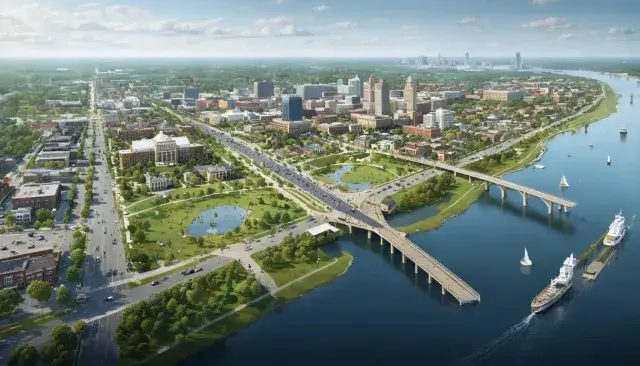
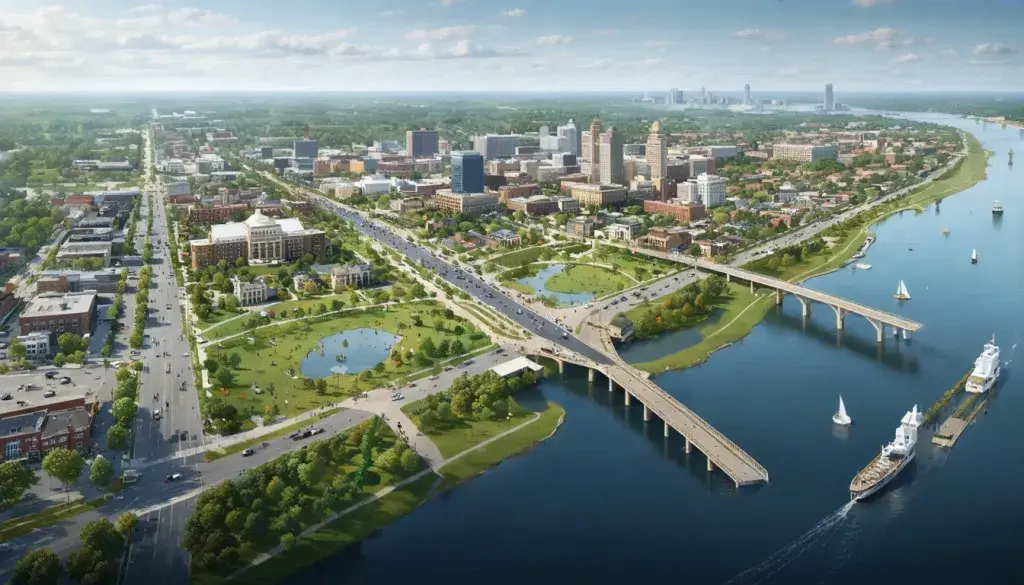
In Augusta, Georgia, the Augusta 2035 Plan was unveiled to the Augusta Commission this week, outlining a bold 10-year strategy to evolve the downtown riverfront—spanning Augusta and North Augusta—from an event-focused hub into a vibrant, residential neighborhood attracting 8,000 new residents by 2035. This blueprint matters because it prioritizes everyday livability over sporadic tourism, fostering health, connectivity, and economic resilience in a region long defined by its Savannah River asset.
Core Initiatives Reshaping the Riverfront Core
The plan anchors its vision in four transformative projects, emphasizing walkability, greenspace, and river activation to combat urban sprawl and car dependency. These initiatives draw from successful models like Chattanooga's riverfront revival, which boosted residential growth by 20% through similar green corridors.
- 5-Minute Downtown: Compact neighborhoods with pedestrian-friendly redesigns, including an expanded Augusta Common to the river and a bustling Jones Alley plaza.
- Green Ribbon: A five-mile trail loop, starting with the Woodland Trail linking North Augusta's Greeneway across Freedom Bridge.
- Rippled Edge: Floating piers, water taxis, plazas, and a zipline park to make the riverfront a daily destination.
- Canopy Network: Planting 200,000 trees, converting parking lots into pocket parks to cool urban heat islands and enhance mental health.
A savvy parking strategy further supports this by optimizing existing lots, reducing surface parking's footprint amid rising demands for sustainable transport.
Collaborative Vision Unites Two Cities
Unlike siloed urban plans, Augusta Tomorrow engaged North Augusta from inception, treating the Savannah River as a unifier rather than a divider. Executive Director Lauren Dallas highlighted projects like the Woodland Trail for cross-river mobility, reflecting broader trends in bi-state cooperation seen in river cities like Pittsburgh. This approach addresses historical fragmentation, promoting shared economic vitality and daily interactions that build community cohesion.
Implications for Livable Urban Futures
By targeting 8,000 residents, the plan counters downtown vacancy rates hovering around 15-20% in similar Southern cities, spurred by remote work and suburban flight. Innovations like "bargelets"—repurposed floating cafes and shops—infuse cultural energy, echoing Amsterdam's water-based pop-ups that increased foot traffic 30%. Funded through public-private partnerships beyond taxes like SPLOST, it signals a scalable model for mid-sized cities pursuing quality-of-life gains: reduced emissions, better public health via active transport, and resilient local economies. The Commission's swift 4-0 approval sets a promising trajectory, though execution will test stakeholder alignment.