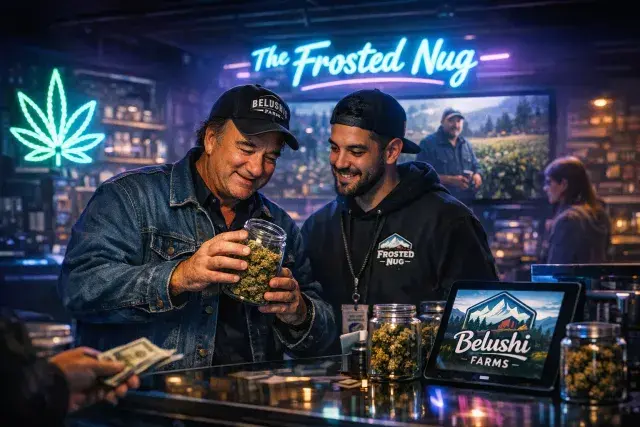

A second cannabis dispensary opened its doors in the Santa Maria Valley on Saturday, marking a key expansion of legal retail marijuana access in this Central Coast region. Dr. Greenthumb's, located at 1604 East Clark Ave, Suite 101 in Orcutt, drew crowds with live music, food trucks, a lowrider showcase, and a meet-and-greet with brand owner B-Real of Cypress Hill. This arrival follows the mid-October debut of Root One in nearby Guadalupe, signaling growing normalization of cannabis commerce amid California's evolving regulatory landscape.
Roots of Regional Expansion
The Santa Maria Valley, spanning northern Santa Barbara County, gains its second licensed storefront through Dr. Greenthumb's entry. Root One, the pioneer at 928 Guadalupe St. in Guadalupe, operates under SLO CAL Roots, a company with established dispensaries in San Luis Obispo and Grover Beach. These openings reflect California's steady rollout of retail cannabis since voters approved Proposition 64 in 2016, which legalized recreational use for adults 21 and older. Local jurisdictions, once cautious, now permit such businesses as tax revenues support community services, though zoning restrictions persist to manage density and public safety.
Cypress Hill Connection Elevates Brand
Dr. Greenthumb's draws its name from Cypress Hill's 1998 single on the album Cypress Hill IV, transforming rap culture's cannabis references into a tangible retail chain spanning California and Michigan. Owner B-Real, a founding member of the group alongside supergroups like Serial Killers and Prophets of Rage, attended Saturday's grand opening to connect with fans. His presence underscores cannabis's deep ties to hip-hop, where artists have long championed the plant's recreational and medicinal roles. More details appear on the dispensary's website at dgtworldwide.com and Instagram at www.instagram.com/drgreenthumbs.
Shifts in Culture and Commerce
These dispensaries arrive as cannabis retail matures beyond novelty, offering regulated products that meet state testing standards for potency and contaminants. Consumers in the Santa Maria Valley now access strains, edibles, and concentrates locally, reducing travel to larger markets like Santa Barbara or San Luis Obispo. This development aligns with broader trends: statewide sales topped $5 billion annually by 2023, funding schools, roads, and public health programs. Yet challenges remain, including federal illegality and youth prevention efforts, as communities balance economic gains against social impacts.