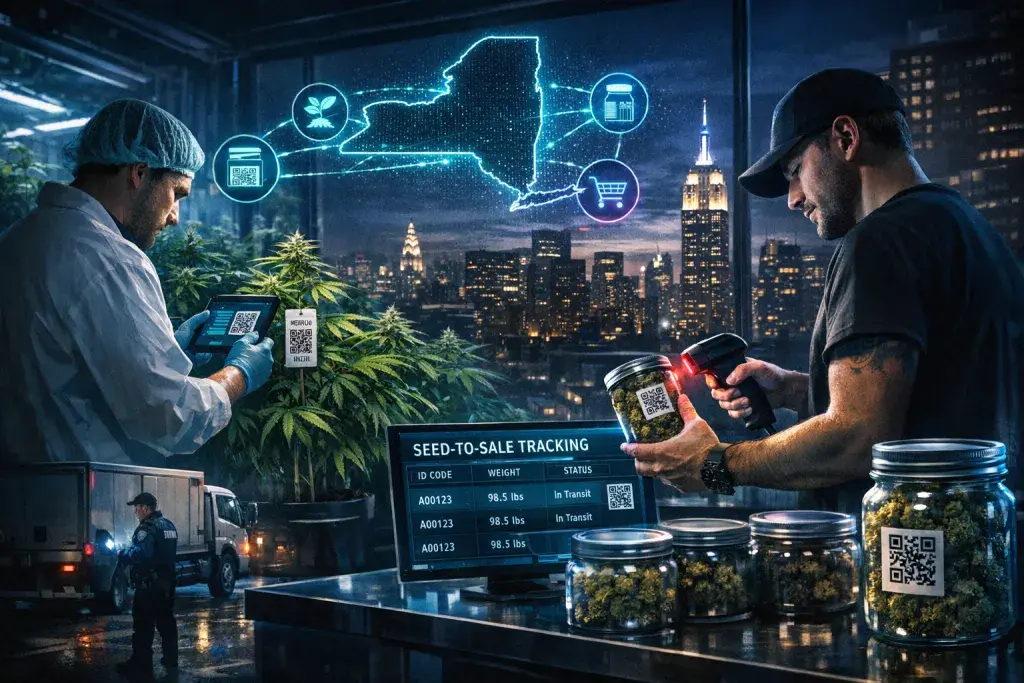
New York's Office of Cannabis Management requires all licensed cannabis businesses to register with the Metrc tracking system by December 17, imposing a seed-to-sale regime that follows products from cultivation to retail shelves. This move aims to enhance safety, block illegal diversions, and build consumer trust in a market still maturing since recreational sales began in late 2022. Businesses handling plants or products must complete online training to access the platform, marking a pivotal step in regulating the state's burgeoning industry.
How the System Works
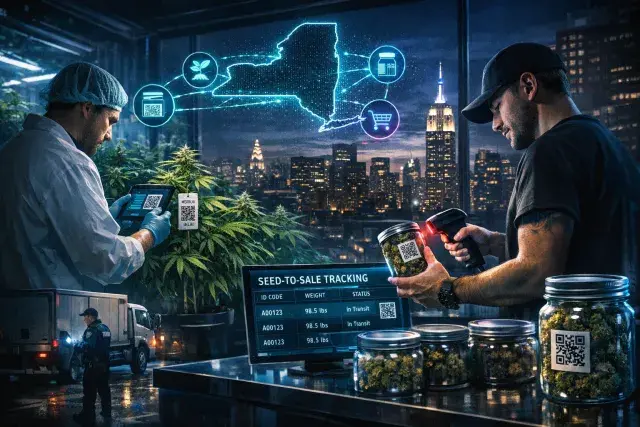
The Metrc platform creates a digital trail for every cannabis plant and package through unique identifiers and QR codes. Growers attach tags to individual plants, processors apply package UIDs to bulk containers limited to 100 pounds each, and retailers add item IDs to consumer-ready jars or bags. Starting December 17, growers, processors, and distributors enter existing inventories, while retailers gain until January 12; new shipments to stores require coding by February 28. This structure prevents untracked goods from circulating, addressing long-standing challenges in cannabis regulation where illicit markets have overshadowed legal ones.
Costs, Freebies, and Compliance Deadlines
Tags cost $0.10 apiece, but the state provides one-time free supplies: 2,500 plant tags for cultivators, 750 package tags for distributors, and 750 item tags for microbusinesses. Retailers may sell pre-December 17 inventory without codes but must log new arrivals before sales. Provisional licensees and certain branding processors skip credentialing if they avoid handling plants. Noncompliance risks enforcement, as the system enforces accountability across a supply chain prone to diversion in states without such controls.
Safety Testing and Market Implications
By March 31, all shelf products must carry digital proof of passing safety tests, with labs now reporting minor cannabinoids for detailed profiles beyond THC and CBD. Businesses verify older tests digitally without resending samples. Multi-packs require individual product evaluations before packaging. New strains post-deadline need special approval to bar illicit genetics. These rules elevate New York's standards, potentially reducing black-market appeal by guaranteeing purity and traceability, while multi-site operators receive license suffixes like C1 or D1 for precise oversight. As the legal market expands, this framework positions the state to capture more revenue and protect public health from contaminated or untaxed products.