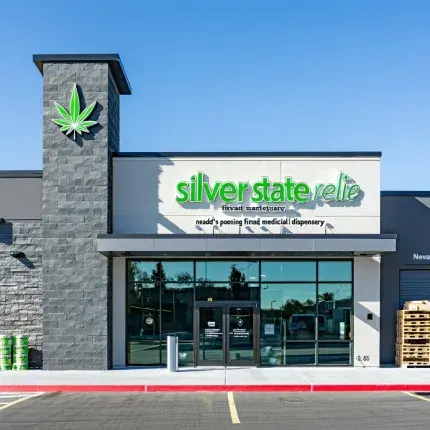
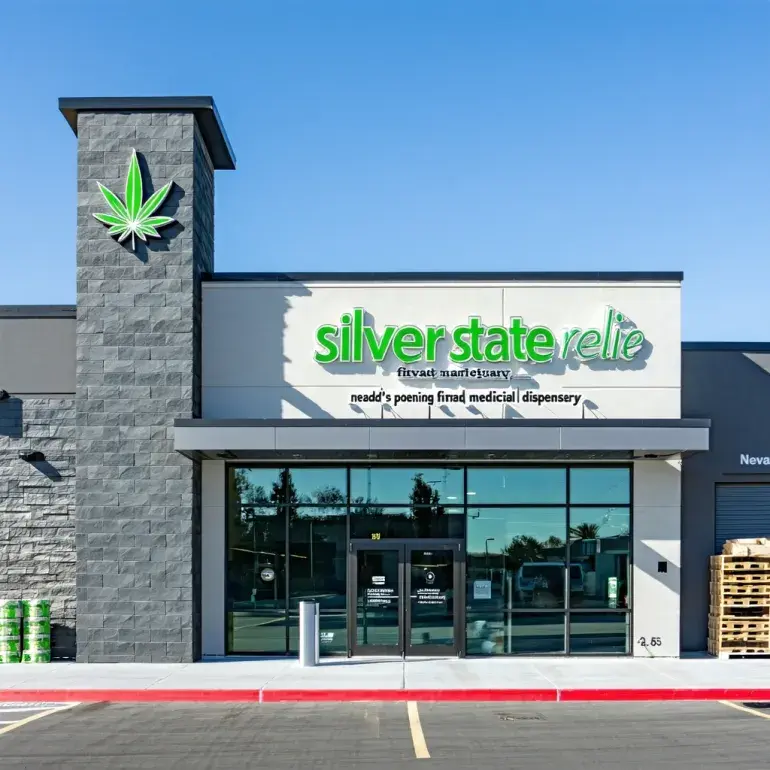
Silver State Relief, Nevada's pioneering medical marijuana dispensary, swung open its doors Friday in Sparks, finally delivering legal retail access to patients after years of anticipation. This milestone ends a decade-long wait since medical cannabis possession became legal, offering safer, tested products amid growing demand for alternative therapies.
Overcoming Years of Regulatory Barriers
Medical marijuana has been permissible in Nevada for over 10 years, but dispensaries only gained approval through a 2013 legislative bill, effective April 2014. Silver State Relief's general manager, Aron Swan, navigated nearly two years of planning, including sourcing 200 plants from local cardholders limited to 12 plants each, extensive renovations, and compliance with new pesticide testing rules that delayed the launch.
- Facilities retrofitted with concrete walls, security doors, and asbestos removal for safety.
- Partnerships with Nevada labs like Certified Ag Lab and 374 Labs ensure THC potency and contaminant-free products.
- Hired experts, including Ph.D. Daniel Hopper from UNR's horticulture program, to optimize cultivation.
A Cautious Launch with Diverse Offerings
Opening with a modest 12-14 pounds, the dispensary limits purchases to half an ounce per transaction—well under the 2.5-ounce biweekly patient allowance—to stretch supply until the first harvest in 60 days. Initial strains include:
- Girl Scout Cookies, Skunk #1, Ghost OG
- Purple Kush, Blue Dream, THC Snow
These provide varied medicinal effects, from pain relief to nausea control, with staff guidance tailored to conditions like severe pain (most common), cancer, PTSD, glaucoma, and spasms from multiple sclerosis or Tourette syndrome.
Community Support and Broader Health Implications
Sparks approved the site in industrial zones, 300 feet from community buildings and 1,000 feet from schools, with high visibility for police patrols to deter crime in this cash-only business. Local reception has been positive, with over 150 job applications, no resident pushback, and neighboring businesses like Capriotti's eyeing extended hours. Patients like 22-year-old Alan Carsey with Tourette syndrome hail it as revolutionary, avoiding pharmaceuticals' harsh side effects.
This regulated model shifts users from black-market risks—heavy metals, pesticides—to lab-tested medicine, aligning with national trends toward cannabis as a viable option when traditional drugs fail. As cultivation scales, expect dozens more strains, potential edibles, and readiness for recreational legalization debates.